


PRP Treatment Understanding the Science Behind Platelet-Rich Plasma Therapy
Discover the science behind PRP treatment, its benefits for hair restoration, skin rejuvenation, and more in this comprehensive guide.


Platelet-Rich Plasma (PRP) therapy has gained significant attention in recent years as a revolutionary treatment for various medical and cosmetic conditions. From promoting hair growth to rejuvenating the skin, PRP therapy is celebrated for its natural, minimally invasive approach. But what exactly is PRP treatment, and how does it work? In this article, we will explore the science behind PRP therapy, its uses, and its potential benefits.
What is PRP Treatment?
PRP, or Platelet-Rich Plasma, is a regenerative medical treatment that utilizes a patient’s own blood to accelerate healing and tissue repair. The process involves extracting a small amount of blood from the patient, processing it to concentrate the platelets, and then re-injecting the concentrated plasma back into the body at the targeted treatment site. The high concentration of platelets in the PRP stimulates the body's natural healing mechanisms, encouraging tissue regeneration and collagen production.
The Science Behind PRP Treatment
Platelets are blood cells that play a key role in the body’s natural healing process. When tissue is damaged, platelets are activated and release growth factors that promote cell repair and regeneration. In PRP therapy, the platelets are isolated and concentrated to a level much higher than in normal blood, which enhances their regenerative abilities.
The PRP is injected into the area of concern, whether it's the scalp, face, or joints, where it helps to accelerate healing, reduce inflammation, and promote cell growth. This makes PRP treatment a popular option for various medical and cosmetic purposes, offering a more natural alternative to traditional treatments.
How Does PRP Treatment Work?
The PRP treatment process involves a few straightforward steps:
- Blood Draw: A small amount of blood is drawn from the patient, usually from the arm.
- Centrifugation: The blood is placed into a centrifuge, a machine that spins the blood at high speeds. This process separates the different components of the blood, with the red blood cells, white blood cells, and plasma separating into layers. The layer with the highest concentration of platelets is the PRP.
- Injection: The concentrated PRP is then carefully injected into the area of concern. The high platelet count encourages the body to heal itself by stimulating collagen production, increasing blood flow, and promoting tissue regeneration.
While the process is fairly simple, the results can be remarkable, depending on the condition being treated.
PRP Treatment Uses
PRP therapy has a broad range of applications, from treating chronic pain to improving skin texture. Let’s take a closer look at some of the most common uses of PRP treatment.
1. PRP Hair Treatment
One of the most popular uses of PRP therapy is for PRP hair treatment. This treatment has become a sought-after solution for individuals dealing with hair thinning or hair loss, especially in cases of male and female pattern baldness. The growth factors in the PRP stimulate hair follicles that may have become dormant, encouraging new hair growth.
PRP hair treatment Dubai has gained popularity due to the effectiveness of the therapy and the advanced technology used in the region. People who have experienced thinning hair or receding hairlines are increasingly turning to PRP therapy as a non-surgical option for hair restoration. The procedure involves injecting PRP into the scalp, which helps stimulate the natural growth cycle of the hair.
While PRP hair treatment is not a one-size-fits-all solution, many people see visible results after multiple sessions. The treatment can improve hair thickness, enhance hair quality, and even help prevent further hair loss.
2. PRP Treatment for Face
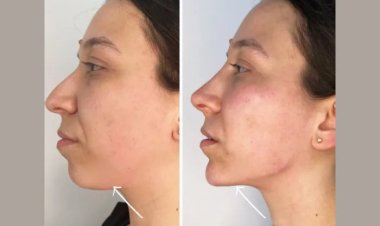
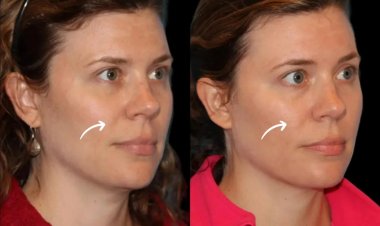
In the realm of cosmetic dermatology, PRP treatment for face has become a popular method for skin rejuvenation. PRP is often used to treat fine lines, wrinkles, and other signs of aging, offering a natural alternative to chemical peels, Botox, or dermal fillers.
By injecting PRP into the skin, the growth factors stimulate collagen production, leading to smoother, firmer, and more youthful skin. The treatment is often referred to as the "Vampire Facial," a name coined by the media when celebrities began promoting the procedure. Many individuals seek PRP treatment for face because it is a minimally invasive option with little downtime and long-lasting effects.
Not only does PRP therapy improve the appearance of the skin, but it also enhances skin texture, reduces scarring, and treats issues like hyperpigmentation and acne scars. Patients who undergo PRP treatment for face report a more radiant, refreshed look after several treatments.
3. Joint Pain and Injury Recovery
In addition to its cosmetic benefits, PRP therapy is widely used in orthopedics and sports medicine. When injected into injured or arthritic joints, PRP can help reduce pain, improve mobility, and speed up recovery. The high concentration of platelets stimulates healing in damaged tissues and encourages the regeneration of cartilage and tendons.
Athletes, in particular, have embraced PRP therapy to recover from injuries more quickly and get back to training faster. By using the body's own healing properties, PRP treatment offers a safe and effective alternative to more invasive procedures like surgery.
4. Wound Healing and Scar Reduction
PRP is also used to accelerate wound healing, particularly in cases of chronic wounds, burns, or post-surgical scars. The platelets in PRP contain growth factors that help repair damaged tissue and promote cell regeneration. This makes PRP an excellent treatment for patients with slow-healing wounds or those who want to minimize scarring after surgery.
Benefits of PRP Treatment
PRP therapy offers numerous benefits, making it an attractive option for individuals seeking natural, non-invasive treatments. Some of the key advantages include:
- Natural Healing: Since PRP therapy uses the patient’s own blood, there is no risk of allergic reactions or complications associated with foreign substances.
- Minimal Downtime: The procedure is minimally invasive, meaning most patients can return to their normal activities within a few days after treatment.
- Long-Lasting Results: With repeated treatments, PRP therapy can provide long-term improvements in hair growth, skin quality, and joint function.
- Non-Surgical: PRP therapy is a non-surgical treatment option, which means there is no need for cuts, stitches, or extended recovery periods.
- Versatility: From hair restoration to facial rejuvenation and injury recovery, PRP therapy has a wide range of uses.
Considerations and Risks
While PRP treatment is generally safe, there are some considerations to keep in mind before undergoing therapy. As with any medical procedure, there are some risks, including infection, bruising, or swelling at the injection site. In some cases, PRP therapy may not provide the desired results, especially for those with advanced conditions or severe hair loss.
It’s important to have a clear understanding of the treatment process, potential outcomes, and the number of sessions required to achieve the best results. Consulting with a healthcare professional or certified practitioner can help ensure that PRP therapy is the right option for your needs.
Conclusion
PRP treatment has revolutionized the way we approach healing, hair restoration, and skin rejuvenation. By harnessing the body’s natural ability to heal itself, PRP hair treatment and PRP treatment for face have become highly sought-after solutions for individuals looking for non-surgical, minimally invasive options to address hair loss and skin aging.
Whether you are considering PRP treatment Dubai for hair restoration or looking to improve the appearance of your skin, PRP therapy offers a safe, effective, and natural treatment option. With its proven benefits and versatility, PRP therapy is likely to remain a popular choice for those seeking to improve their appearance and overall health.