


The Role of Physical Therapy in Treating Back and Muscle Pain


Introduction
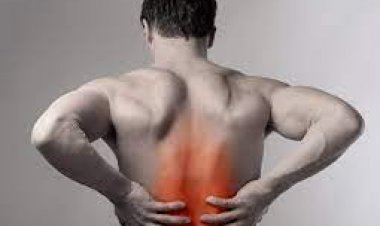
Back and muscle pain are common ailments that affect millions of people worldwide. These conditions can significantly impact daily life, causing discomfort, limiting mobility, and reducing overall quality of life. One of the most effective treatments for back and muscle pain is physical therapy. This article will explore the vital role that physical therapy plays in managing and alleviating these types of pain, providing detailed insights into various techniques, benefits, and real-life applications.
Pain O soma 350‘s strong muscle relaxant qualities, it quickly relieves pain and regains flexibility so you may resume living life to the fullest. Say goodbye to discomfort caused by tense muscles and welcome the solace and alleviation that Pain O Soma 350mg provides. The action of the medicine will only help reduce the pain but does not cure the injury.
Understanding Back and Muscle Pain
Causes of Back Pain
Back pain can arise from numerous sources, including poor posture, muscle strain, herniated discs, spinal stenosis, and degenerative disc disease. Each of these conditions requires a tailored approach to treatment, which is where physical therapy excels.
Causes of Muscle Pain
Muscle pain, also known as myalgia, can result from overuse, injury, tension, or underlying conditions such as fibromyalgia. Muscle pain can be acute or chronic, necessitating a thorough assessment to determine the most appropriate physical therapy interventions.
Prosoma 350 [Carisoprodol] is the active component of the medication. It is categorized as a muscle relaxant and is used to alleviate pain in the muscles, including spasms. Muscle relaxation is the outcome of carisoprodol's action on the central nervous system, which affects nerve transmission. It is used to relieve from painful sensations in the body due to muscle injury stress, sprain etc.
The Benefits of Physical Therapy
Physical therapy offers a myriad of benefits for individuals suffering from back and muscle pain. Here are some of the most notable advantages:
1. Pain Relief
Physical therapy utilizes a variety of techniques such as manual therapy, heat and cold therapy, and electrical stimulation to reduce pain. These methods help to alleviate discomfort by targeting the underlying causes of pain, rather than just masking the symptoms.
2. Improved Mobility and Flexibility
Therapists design customized exercise programs that enhance mobility and flexibility, which are often compromised in patients with back and muscle pain. These exercises help to stretch and strengthen the muscles, promoting better movement and reducing stiffness.
3. Strengthening Core Muscles
A strong core is essential for supporting the spine and reducing back pain. Physical therapists guide patients through exercises that target the abdominal and back muscles, leading to a more stable and robust core.
4. Posture Correction
Poor posture is a leading cause of back pain. Physical therapists educate patients on proper posture techniques and incorporate exercises that improve posture, thereby reducing strain on the back and neck.
5. Preventing Recurrence
Through education and personalized exercise plans, physical therapy helps to prevent the recurrence of back and muscle pain. Patients learn how to maintain their progress and avoid activities that could trigger a relapse.
Techniques Used in Physical Therapy
1. Manual Therapy
Manual therapy involves hands-on techniques such as massage, mobilization, and manipulation. These methods are used to reduce pain, improve range of motion, and enhance tissue health.
2. Therapeutic Exercises
Therapeutic exercises are a cornerstone of physical therapy. These exercises are specifically designed to strengthen muscles, improve flexibility, and restore function. Common exercises include stretching, strengthening, and aerobic conditioning.
3. Modalities
Physical therapists use various modalities to complement exercise therapy. These include:
- Heat and Cold Therapy: Applying heat can relax muscles and improve blood flow, while cold therapy can reduce inflammation and numb sore tissues.
- Electrical Stimulation: Techniques such as Transcutaneous Electrical Nerve Stimulation (TENS) can help manage pain and promote muscle function.
- Ultrasound Therapy: This modality uses sound waves to penetrate deep tissues, providing pain relief and promoting healing.
4. Education and Ergonomics
Education is a critical component of physical therapy. Patients are taught about body mechanics, posture, and ergonomics to help them perform daily activities safely and efficiently. This knowledge helps to prevent further injury and supports long-term health.
Case Studies and Real-Life Applications
Case Study 1: Chronic Lower Back Pain
A 45-year-old patient with chronic lower back pain due to degenerative disc disease sought physical therapy. The therapist developed a comprehensive program that included core strengthening exercises, manual therapy, and posture education. After three months, the patient reported a significant reduction in pain and improved mobility, allowing them to return to their favorite activities.
Case Study 2: Muscle Strain Recovery
A 30-year-old athlete experienced a severe muscle strain in their quadriceps. Physical therapy interventions included ice therapy, ultrasound, and a gradual reintroduction of strengthening exercises. The patient made a full recovery in six weeks and was able to resume their training regimen without any lingering pain.
Case Study 3: Post-Surgical Rehabilitation
Following spinal surgery, a 60-year-old patient engaged in physical therapy to regain strength and mobility. The therapist implemented a progressive exercise plan, starting with gentle movements and advancing to more challenging exercises. The patient achieved remarkable progress, regaining their independence and enhancing their quality of life.
Conclusion
Physical therapy is an invaluable resource for those suffering from back and muscle pain. By employing a holistic approach that includes pain relief techniques, strengthening exercises, posture correction, and patient education, physical therapists play a crucial role in the recovery and long-term management of these conditions. If you are experiencing back or muscle pain, consulting a physical therapist can be a transformative step towards improved health and well-being.