



Can One Motor Lift Plate Fit Multiple Engine Platforms?”
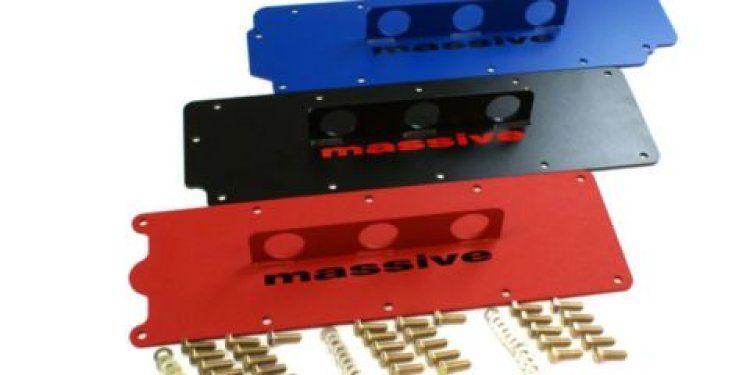


Swinging a heavy V8 over a freshly painted engine bay requires a level of confidence that only comes from a rock-solid connection. A high-quality motor lift plate can indeed serve multiple engine platforms, provided the bolt patterns align with the standard carburetor or intake manifold mounting surfaces. Most multi-fit plates are engineered to accommodate the popular Holley 4150 and 4160 series, which are found on everything from Small Block Chevys to vintage Fords and Mopars. Compatibility depends entirely on the footprint of the intake manifold, meaning a single plate can often handle several different engine families as long as they share a common mounting geometry.
Versatility Across the Big Three
General Motors, Ford, and Chrysler dominated the muscle car era with distinct engine designs, yet they often shared fueling components. Because Holley and Edelbrock carburetors became the industry standard for performance, many intake manifolds were cast with identical bolt patterns. A single plate designed for these patterns allows a mechanic to pull a Chevy 350 in the morning and a Ford 302 in the afternoon using the same hardware. This cross-platform utility saves money and reduces the amount of clutter hanging on your shop wall. Precision machining ensures these plates sit flat against the manifold, distributing the weight evenly across all four mounting bolts to prevent damage to the threads.
Can You Trust One Tool for Both Iron and Aluminum?
Weight distribution behaves differently depending on the materials used in your engine build. Iron blocks provide a sturdy foundation that can handle significant stress, while aluminum intakes require a gentler touch to avoid stripping the soft threads. A multi-platform plate works effectively on both if you utilize the correct hardware and ensure full thread engagement. Many builders worry about using a heavy steel plate on a lightweight racing intake, but the key lies in the flat mating surface. A well-designed plate prevents the bolts from pulling at an angle, which is the primary cause of stripped aluminum threads. Keeping a variety of bolt lengths on hand ensures that the plate stays secure regardless of the engine's brand or material.
Analyzing Common Bolt Pattern Standards
Manufacturers often build plates with elongated or multiple sets of holes to increase their reach. These patterns usually cover the most frequent configurations found in restoration and hot rodding.
- Standard Square Bore: Found on most 4-barrel carburetors and provides a balanced four-bolt lift point.
- Spread Bore: Common on Rochester Quadrajet intakes, requiring a slightly different hole spacing for a flush fit.
- Dominator Patterns: Larger racing carburetors use a wider stance that necessitates a specialized, larger plate.
- Two-Barrel Options: Some smaller engines or economy builds use a two-bolt pattern, though these are less common for heavy lifting.
Why Does Center of Gravity Vary Between Blocks?
Compatibility doesn't always mean the engine will hang perfectly level every time. A Chevy Small Block has a different weight bias than a Ford Big Block, especially if the transmission is still bolted to the rear. High-quality plates address this by offering multiple "pick points," or holes, for the hoist hook to grab. Shifting the hook forward or backward by just an inch can compensate for the extra weight of a heavy cast-iron bellhousing. This adjustability is what truly makes a motor lifting plate a universal asset in a professional garage. It allows you to fine-tune the angle of the engine as it clears the core support, preventing unnecessary scratches or dents.
Essential Safety Checks for Universal Hardware
Using one tool for multiple jobs means it sees more wear and tear than a specialized piece of equipment. Frequent use across different platforms requires a strict inspection routine to ensure the metal isn't fatigue-tested to its limit.
- Surface Flatness: Check for any warping that might prevent a flush seal against a new intake.
- Bolt Hole Integrity: Look for "ovaling" where the bolts have pulled against the steel over time.
- Shackle Wear: Ensure the main lifting hole hasn't become thin or sharp from the hoist hook.
- Thread Cleanliness: Avoid cross-threading by clearing any old gasket material out of the plate holes.
How Many Pounds Can a Single Plate Really Hold?
Capacity ratings are usually the deciding factor when moving between different engine families. A plate that safely lifts a 400-pound four-cylinder might not be rated for a 900-pound diesel or a fully dressed big block with iron heads. Most professional-grade plates are rated for at least 1,000 pounds, which covers nearly all passenger car and light truck engines. Always verify the maximum load limit stamped on the tool before switching from a lightweight project to a heavy-duty one. Overloading a plate can lead to sudden metal failure, putting both the expensive engine and the mechanic at high risk.
Bottom Line
Efficiency in a busy shop often depends on having versatile tools that bridge the gap between different manufacturers. While engine designs have changed over the decades, the need for a stable and centered lifting point remains a constant requirement for any successful build. Using a motor lifting plate that adapts to various bolt patterns allows for a smoother workflow and more predictable results during the installation phase. EngineLiftPlates provides high-strength lifting solutions that cater to enthusiasts working on a wide range of motor types.
The variety of options found at EngineLiftPlates ensures that whether a project involves a classic V8 or a more modern setup, the right connection is always available. Reliability is built into every piece of hardware they sell, giving users peace of mind when suspending heavy components. Anyone looking to streamline their engine removal process can shop online from them to find durable equipment that stands up to the rigors of heavy shop use. Maintaining a high standard for lifting gear protects the investment made in every restoration or performance upgrade.