


Orthodontists Explain the Benefits of Intraoral Scanners
Experience faster, accurate, and comfortable orthodontic treatments with intraoral scanners, improving smiles and patient care efficiency.
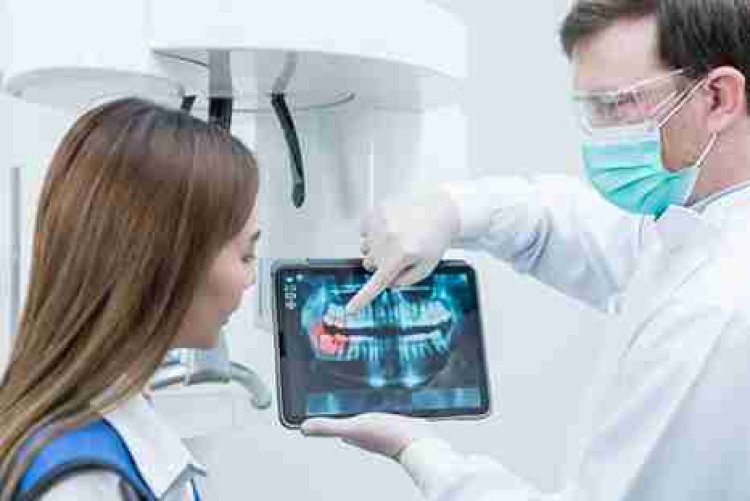


Orthodontic treatment has advanced significantly, with technology enhancing precision and patient comfort. A well-aligned smile not only improves aesthetics but also promotes better oral health. Traditional dental impressions using putty and trays were often messy, uncomfortable, and sometimes inaccurate. Today, intraoral scanners have transformed this process by capturing highly detailed 3D images of teeth and gums. These digital tools enable orthodontists to diagnose, plan treatments, and design appliances with exceptional accuracy and efficiency, ensuring a smoother and more comfortable orthodontic experience for patients while improving overall treatment outcomes through advanced, patient-focused technology.
What Are Intraoral Scanners?
Intraoral scanners are handheld devices that an orthodontist Middlesbrough uses to capture high-resolution, three-dimensional images of a patient’s teeth and surrounding oral structures, creating an accurate digital model of the mouth in real time without traditional moulding materials.
Key advantages of using intraoral scanners include:
- Non-invasive capture: No putty or trays, reducing gag reflexes and discomfort.
- Immediate digital results: The scan is visible instantly, allowing both patient and orthodontist to review.
- High accuracy: Detailed measurements ensure precise treatment planning and appliance fabrication.
Comparison Table: Traditional Impressions vs Intraoral Scanners
|
Feature |
Traditional Impressions |
Intraoral Scanners |
|
Comfort |
Uncomfortable, can trigger gag reflex |
Comfortable, non-invasive |
|
Accuracy |
Moderate, risk of errors |
High, highly precise |
|
Time |
10–15 minutes |
2–5 minutes |
This shift to digital has transformed patient experiences, making visits faster, more comfortable, and far more engaging.

Key Benefits for Patients
Intraoral scanners provide numerous advantages directly benefiting patients.
1. Enhanced Comfort
Traditional impressions can be unpleasant for many patients. Intraoral scanners eliminate the need for messy materials, making the process more comfortable and less stressful, particularly for younger patients or those with a sensitive gag reflex.
2. Reduced Appointment Time
Digital scans are quick, often completed in just a few minutes. This reduces chair time significantly, allowing patients to resume daily activities sooner.
3. Visual Understanding
Scans can be displayed on screens in real-time, giving patients a clear visual of their dental structures and the planned orthodontic treatment. This enhances understanding and engagement in their own care.
4. Improved Oral Hygiene
Precise digital models ensure appliances like aligners, braces, and retainers fit accurately, reducing irritation, food traps, and potential plaque build-up.
Additional patient-friendly benefits:
- Clear communication with the orthodontist about treatment expectations.
- Ability to see progress digitally over time.
- Safe, hygienic process with minimal discomfort.
Benefits for Orthodontists
Intraoral scanners also significantly benefit orthodontists by improving efficiency, precision, and patient care.
1. Accuracy in Treatment Planning
Scanners produce highly accurate 3D images, allowing orthodontists to plan tooth movement with precision. This reduces errors, minimises adjustments, and increases treatment predictability.
2. Efficient Appliance Fabrication
Digital scans can be sent directly to dental labs, facilitating the rapid production of braces, clear aligners, and retainers. Appliances made from these scans fit better, reducing the need for corrections and remakes.
3. Improved Monitoring and Progress Tracking
Orthodontists can compare sequential scans to monitor tooth movement and ensure the treatment is progressing as planned.
4. Enhanced Collaboration
Digital scans can easily be shared with specialists or labs, allowing seamless collaboration on complex cases and improving overall patient outcomes.
How Scanners Improve Treatment Outcomes
Using intraoral scanners leads to several improvements in treatment effectiveness and patient satisfaction.
- Reduced Errors: Digital accuracy minimises the risk of ill-fitting appliances and misaligned adjustments.
- Faster Treatment Timelines: Precise planning allows orthodontists to implement corrective measures efficiently, potentially shortening overall treatment time.
- Better Fitting Appliances: Braces, retainers, and clear aligners created from digital scans fit more accurately, reducing discomfort and the need for frequent adjustments.
- Enhanced Patient Satisfaction: The combination of comfort, speed, and visual engagement helps patients feel more involved and confident throughout their treatment.
Example Table: Improvements with Intraoral Scanners
|
Stage |
Traditional Approach |
Digital Scanner Approach |
|
Appliance Fit |
Often requires adjustments |
Precise first fit |
|
Treatment Planning |
Manual measurement |
Digital 3D planning |
|
Progress Checks |
Visual/manual |
Digital comparison |
Patient Guidance for Optimal Scanning
To maximise the benefits of intraoral scanning, patients should follow simple guidelines:
- Maintain excellent oral hygiene before appointments to ensure clear scans.
- Communicate any dental sensitivity or discomfort to the orthodontist.
- Attend all scheduled check-ups to track treatment progress.
- Contact an emergency dentist in Middlesbrough promptly if appliances cause pain, irritation, or damage.
By following these steps, patients can ensure accurate scans and smoother treatment.
The Role of Intraoral Scanners in Paediatric Orthodontics
Intraoral scanners have proven especially beneficial in paediatric orthodontics, where comfort and cooperation are crucial. Children often struggle with traditional impressions, finding them uncomfortable or intimidating.
Key Advantages:
- Non-invasive and quick, reducing anxiety for young patients.
- Improved accuracy helps detect early alignment issues.
- Enables better communication with parents using visual 3D scans.
- Encourages consistent follow-up and care from an early age.
By making orthodontic care more child-friendly, intraoral scanners help build trust and promote early intervention for lifelong oral health.

Future Trends and Technological Advancements
Intraoral scanning technology continues to evolve rapidly, promising even greater benefits for orthodontics:
- AI-Assisted Treatment Planning: Advanced software predicts tooth movement and optimises appliance design.
- Remote Monitoring: Patients can share scans digitally for virtual consultations and adjustments.
- 3D Printing Integration: Appliances can be printed directly from digital scans for rapid production.
- Compact and Faster Devices: Smaller, more efficient scanners improve patient comfort and clinical workflow.
These innovations indicate a shift toward more precise, patient-centred, and technologically driven orthodontic care.
Conclusion
Intraoral scanners have transformed modern orthodontic treatment, offering unparalleled accuracy, comfort, and efficiency. Patients benefit from reduced discomfort, faster appointments, and clearer understanding of their treatment, while orthodontists gain precision in planning, appliance fabrication, and progress monitoring. By embracing this technology, both patients and professionals experience a smoother, more predictable orthodontic journey.Maintaining oral hygiene, attending regular check-ups with an orthodontist, and seeking timely assistance from an emergency dentist if issues arise ensures a safe and effective treatment experience. With professional guidance and patient commitment, achieving a straight, healthy, and confident smile is entirely possible, proudly supported by Middlesbrough.